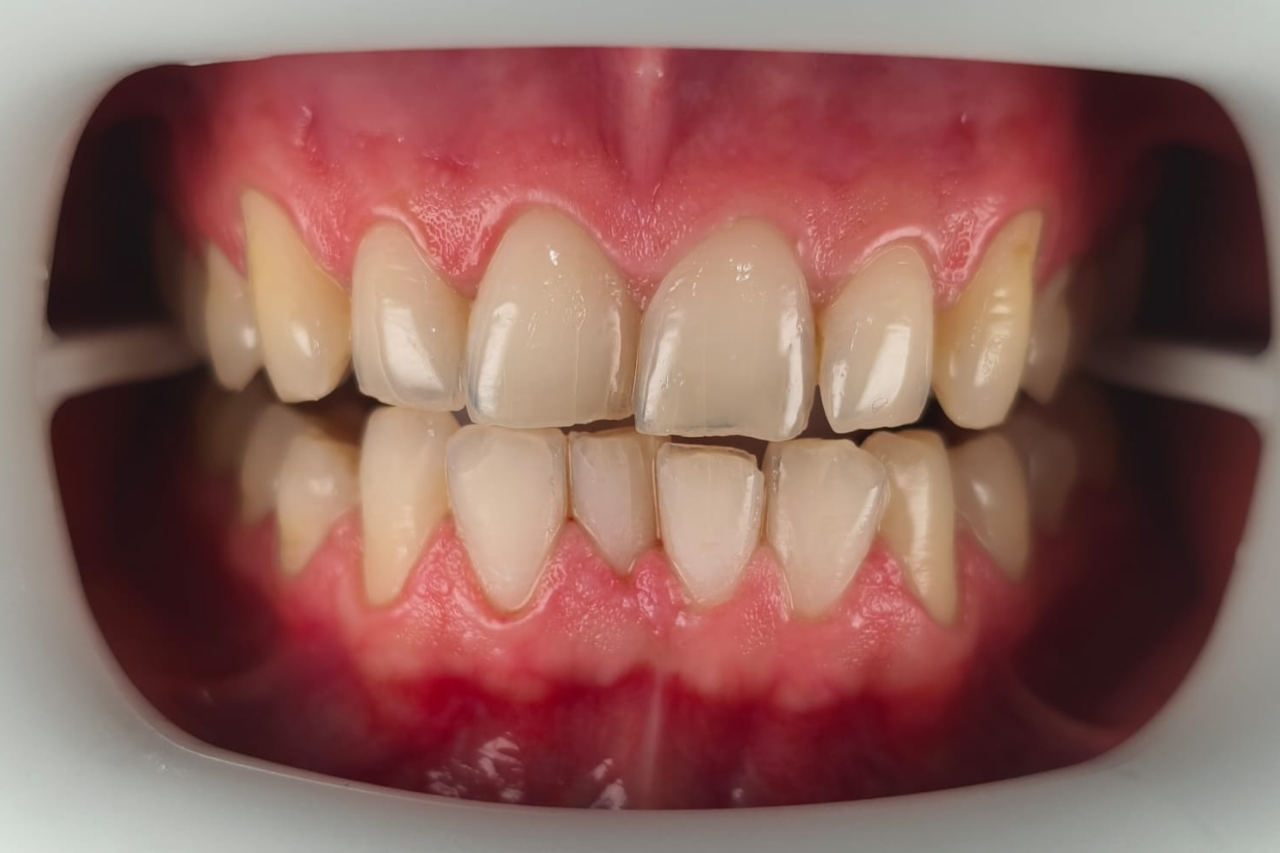
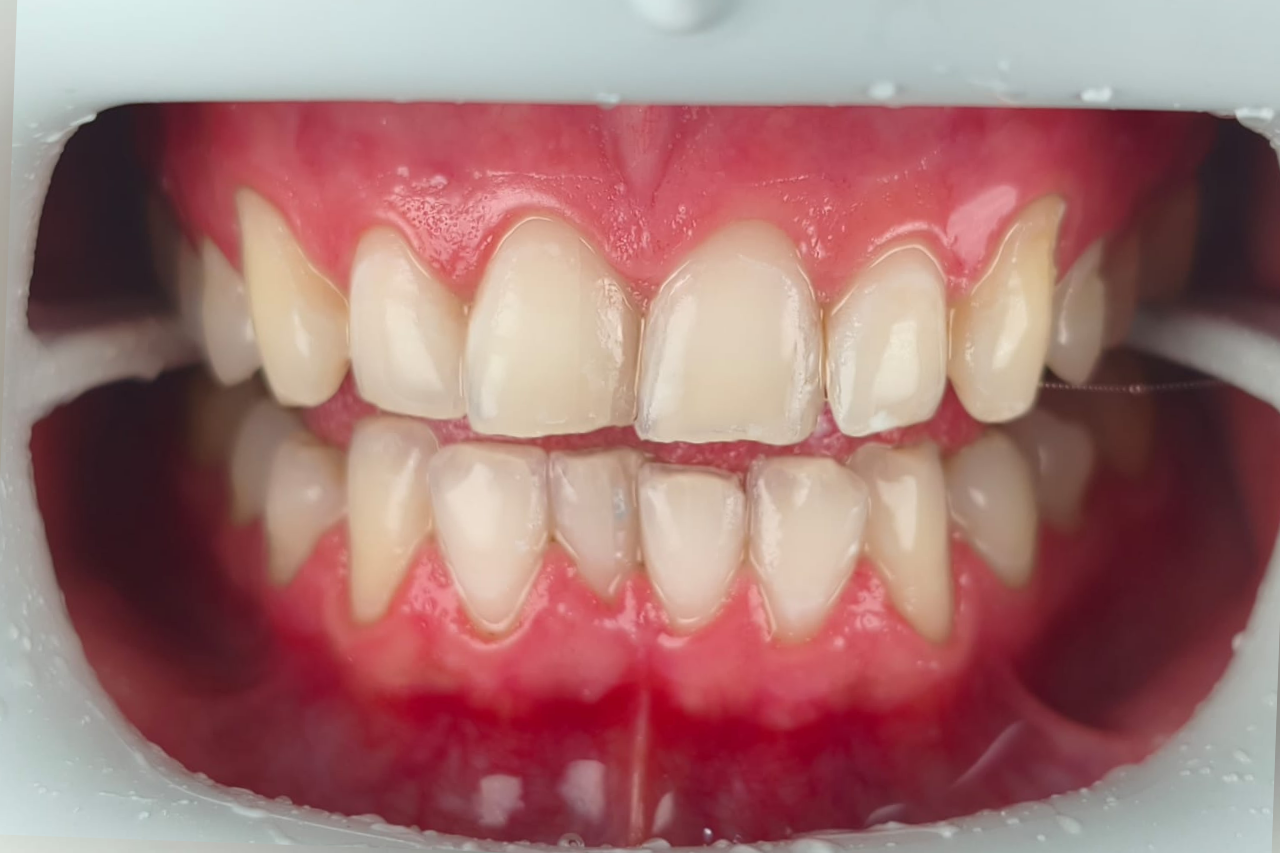
Want a dental implant, but your dentist says your jawbone isn’t quite ready to support it? This is a pretty common situation. The usual fix is a bone graft — a procedure that rebuilds the bone foundation, so an implant can eventually be placed stably. This article covers what a bone graft is, when it’s needed, the different types available, and how the healing process works as part of the broader Dental Implant Bali treatment journey. What Is a Bone Graft? In simple terms, a bone graft adds bone material or a bone substitute to an area that’s lacking volume or density — giving your jawbone a strong enough foundation to support an implant. Over time, the placed material stimulates your own body to grow new bone. Why Might Jawbone Volume Be Insufficient? There are a few reasons your jawbone might not be adequate for implant placement: a tooth that’s been missing for a long time, causing the bone to resorb since it no longer receives stimulation from a tooth root periodontal disease that has already damaged the supporting bone a previous injury or infection in the areaa low maxillary sinus position in the back of the upper jaw a naturally limited bone volume based on your jaw anatomy Types of Bone Graft Material There are four common types of material used: Autograft — bone taken from your own body, either from within the mouth or another part of the body. Allograft — donor bone tissue that has been processed and sterilized through a bone bank. Xenograft — material from an animal source (commonly bovine) that has been processed to be biocompatible with the human body. Synthetic (alloplastic) material — man-made material designed to stimulate and guide new bone growth. The choice of material depends on the extent of the defect, its location, and the clinical judgment of the implant dentist for your specific case. (International Team for Implantology / ITI) Types of Bone Augmentation Procedures Depending on your situation, your dentist may recommend one of a few different procedures: Socket preservation — maintains bone volume immediately after a tooth extraction to prevent further shrinkage. Sinus lift (sinus augmentation) — adds bone volume in the back of the upper jaw, near the maxillary sinus. Block grafting — used for larger bone defects, using a solid block of bone. Guided bone regeneration (GBR) — uses a special membrane to direct new bone growth in a targeted area. When Is a Bone Graft Really Necessary? A bone graft is considered when: bone height or width isn’t sufficient for the implant’s initial stabilitya tooth has been missing long enough that the bone has shrunk significantly the maxillary sinus is positioned too close to the planned implant site an extraction has caused substantial bone damage A bone graft isn’t needed for every patient — the need for one can only be confirmed through a radiographic exam, including a CBCT scan if necessary, to view your bone volume and structure in three dimensions. (FDA) The Process and Healing Time For smaller defects, a bone graft can sometimes be done at the same time as implant placement. For larger defects — such as a sinus lift or block graft — the graft usually needs its own healing period, which can last several months, before an implant can be safely placed. Healing time varies depending on the extent of the graft, the type of material used, its location, and your own biological response. (Guy’s & St Thomas’ NHS Trust) Since a bone graft can extend the overall treatment timeline, also see how long the dental implant process generally takes to help set your expectations. Does a Bone Graft Hurt? The procedure is usually performed under local anesthesia, similar to implant placement. Once the anesthesia wears off, temporary symptoms such as swelling, bruising, or mild pain can occur — similar to recovery from other oral surgery procedures — and typically ease over time following your dentist’s instructions. Risks of Bone Grafting Like any surgical procedure, a bone graft carries risks worth understanding, including: infection at the graft site the graft material failing to integrate properly shifting or migration of the graft material sinus-related complications, particularly with sinus lift procedures These risks can be minimized through a thorough evaluation, an appropriate technique, and following your aftercare instructions closely. (FDA)FAQ Do all implant patients need a bone graft? No. A bone graft is only needed when bone volume or quality is found to be insufficient based on a radiographic exam. Can a bone graft and implant placement be done at the same time? For smaller defects, both can sometimes be done in a single procedure. For larger defects, the graft usually needs its own healing period first. How long does a bone graft take to heal before an implant can be placed? It varies depending on the extent and type of graft, but generally can take several months. An accurate estimate can only be given after a clinical exam and radiographs. Is bone graft material safe to use? Materials used in modern dental practice undergo biocompatibility testing before being used on patients. (FDA) Conclusion A bone graft is a preparatory stage that helps ensure your jawbone has a strong enough foundation before a dental implant is placed. The need for one varies by patient and can only be confirmed through an in-person clinical exam and radiographs. To understand how a bone graft fits into the overall treatment journey, read the complete Dental Implant Bali guide. Book a Bone Graft or Dental Implant Consultation at Kanou Dental Dentist Clinic Worried your jawbone might not be enough for an implant? Chat with us directly on WhatsApp — we’ll help evaluate your bone condition and explain whether a bone graft is needed before implant placement. Chat on WhatsApp (Fast Response): 0858-0900-9191 Jl. Teuku Umar Barat No. 23C, Denpasar, Bali Website: https://kanoudental.com