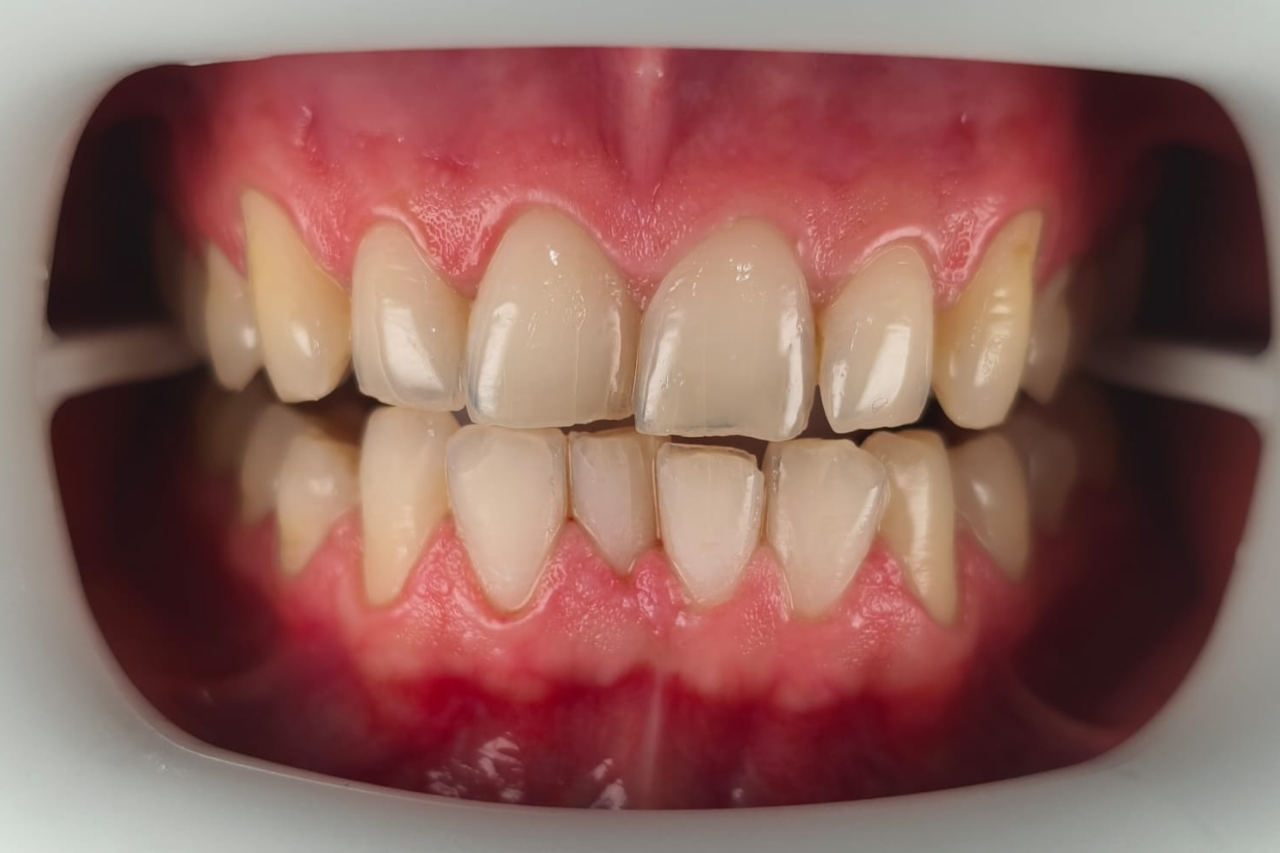
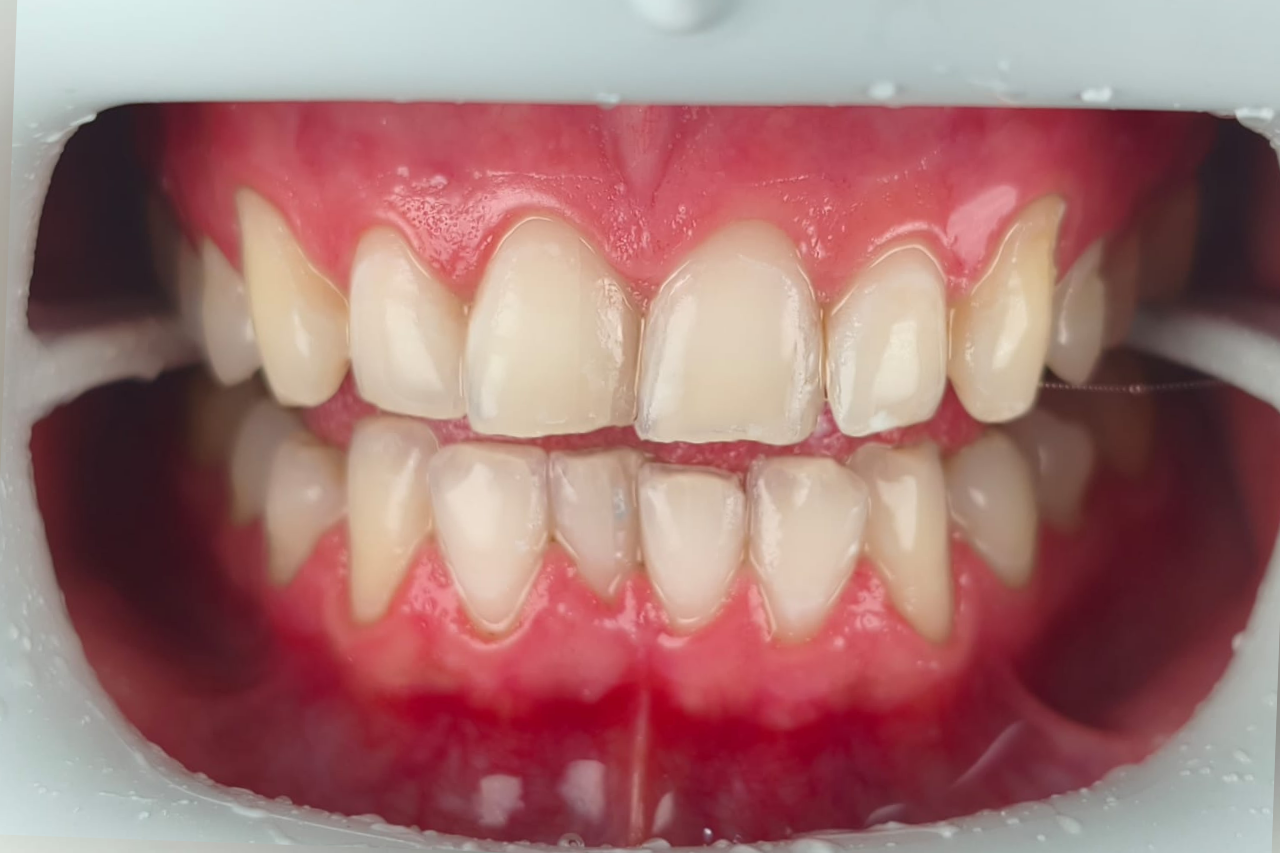
Ever woken up with a sore jaw? Or noticed a heavy feeling in your head, discomfort around your ears, and a clicking sound when you open your mouth? These complaints don’t always come from a cavity. For some people, the cause can be linked to clenching or grinding habits, tension in the jaw muscles, or a problem with the jaw joint — the temporomandibular joint. One appliance that can help address this is a dental orthotic. What Is a Dental Orthotic? A dental orthotic is a removable appliance worn over the upper or lower teeth. It looks similar to a mouthguard, but it’s custom-made based on your bite, tooth alignment, and personal needs. You might also hear it called: Occlusal splint Stabilization splint Bite splintIntraoral appliance TMJ orthotic The goal is simple: create more controlled bite contact while you’re wearing it, so your teeth, chewing muscles, and jaw joint don’t take on excess load. What Is a Dental Orthotic Used For? A dental orthotic may be recommended for a few different situations. 1. Clenching or Grinding Habits Clenching, grinding, or gnashing your teeth is known as bruxism. It can happen while you’re asleep or awake — often without you even realizing it. Over time, that repeated pressure can lead to: Worn-down tooth surfaces Sensitive teeth Fillings or crowns cracking more easily Tense jaw muscles Headaches when you wake up A tired or sore jaw A dental orthotic creates a protective layer between your upper and lower teeth, so pressure isn’t absorbed directly by the tooth surfaces. Bruxism itself can happen whether you’re awake or asleep. (National Institute of Dental and Craniofacial Research) 2. Jaw Muscle Pain and Tension Your jaw muscles can end up working overtime if you clench often, are under stress, or have an uneven pattern of jaw use. The discomfort can show up as: A stiff jaw upon waking Pain while chewing Tension in the cheeks or temples Recurring headachesDiscomfort around the ears Difficulty opening your mouth wide With the right design, a dental orthotic helps distribute bite pressure more evenly, so your jaw muscles can work in a more controlled way. 3. Jaw Joint Disorders (TMD) The temporomandibular joint connects your lower jaw to your skull. It’s at work every time you talk, chew, yawn, or open and close your mouth. A problem with this joint is called temporomandibular disorder, or TMD, with symptoms such as: Pain in the jaw or around the ears Clicking when you open your mouth Limited jaw movement A jaw that’s felt locked before Pain while chewing Tension in the facial and head muscles Not every jaw click needs treatment. But if it comes with pain, a locked jaw, or difficulty opening your mouth, it’s worth getting checked — TMD can affect both the joint itself and the muscles that control jaw movement. (National Institute of Dental and Craniofacial Research) 4. Protecting Teeth and Restorations Have a veneer, crown, bridge, implant, or other dental restoration? You may need extra protection if you also deal with bruxism. Excess bite pressure can raise the risk of damage to both your natural teeth and any restorations. In that case, a dental orthotic can serve as a protective appliance, especially at night. 5. Supporting Evaluation Before Complex Dental Treatment In some dental rehabilitation cases, a dental orthotic can be used before definitive treatment begins. A dentist may use it to evaluate: How your muscles respond to a change in bite contactYour comfort while chewing The stability of your jaw position while wearing the appliance The contact pattern between your upper and lower teeth Your condition before more complex restorative work is planned That said, its use should always be based on a clear examination and diagnosis. Is a Dental Orthotic the Same as a Night Guard? At a glance they look similar, but their purpose and design can differ. A night guard is mainly used to protect teeth from the friction and pressure caused by bruxism. A dental orthotic, on the other hand, can be built with a specific occlusal contact design to help stabilize the relationship between your teeth, muscles, and jaw joint while it’s worn. The difference isn’t just about material or thickness — it also comes down to: The shape of the appliance’s surface The contact points with the opposing teeth The jaw position while the appliance is worn The main treatment goal The wear schedule and follow-up plan Because of this, an appliance that works well for one patient isn’t necessarily right for another. How Is a Dental Orthotic Made? Making a dental orthotic usually starts with a thorough exam. Your dentist evaluates the condition of your teeth, bite pattern, chewing muscles, jaw movement, and the jaw joint area. The stages typically include: 1. A consultation about your complaints and habits 2. An exam of your teeth, bite, muscles, and jaw joint 3. A digital scan or dental impressions4. Jaw relationship analysis, if needed 5. Fabricating the dental orthotic based on your condition 6. Fitting and adjusting the contact points 7. Regular check-ups to evaluate comfort and treatment response Adjustments after fitting are an important part of the process — the appliance’s surface may need correcting so contact stays stable and doesn’t put excess pressure on any particular tooth. At Kanou Dental, one approach we offer is Orthotic Day and Night, designed specifically to support jaw comfort both during the day and at night, based on your needs. How Long Does a Dental Orthotic Need to Be Worn? Duration varies by patient. Some people are advised to wear it only while sleeping, while others need a different schedule depending on their diagnosis. How long you’ll need it depends on: The type of complaint The severity of bruxism The condition of your jaw muscles and joint How you respond to the appliance The main treatment goal The condition of your teeth and any restorations A dental orthotic shouldn’t be worn continuously without follow-up care. Regular check-ups are needed to make sure the appliance still fits properly and isn’t causing unwanted changes in bite contact. Can a Dental Orthotic Cure TMD? A dental orthotic isn’t a one-size-fits-all cure for jaw joint disorders. For some patients, it can help reduce the load on the teeth, ease muscle tension, or make the jaw feel more comfortable. But results vary from person to person, and the evidence for its effectiveness across all types of TMD pain is still limited. Managing TMD usually involves a combination of approaches, such as:Modifying clenching habits Temporarily avoiding especially hard foods Jaw exercises or physical therapy Stress management Improving sleep patterns Medication as directed by a doctor A dental orthotic Further evaluation if a more complex joint disorder is found An intraoral appliance used for TMD shouldn’t be designed to permanently change your bite. If it ends up causing more pain, stop using it and check in with your dentist right away. (National Institute of Dental and Craniofacial Research) Why Isn’t It a Good Idea to Buy a Generic Appliance? A dental orthotic is different from a one-size-fits-all mouthguard you’d wear straight out of the box, without any exam. An ill-fitting appliance can: Put excess pressure on specific teeth Make jaw discomfort worse Interfere with bite contact Injure the gums or soft tissue in the mouth Come loose easily during sleep Fail to provide the protection you actually need This is especially true for appliances that only cover part of the teeth — using one without supervision risks unwanted tooth movement and bite changes. That’s why a dental orthotic is ideally custom-made and monitored directly by a dentist. Signs You May Need an Exam Consider consulting a dentist if you’re experiencing:A jaw that’s often sore upon waking Teeth that look increasingly worn or shortened Crowns, veneers, or fillings that crack frequently Frequent clenching while focused or stressed Recurring headaches around the temples Pain while chewing Jaw clicking accompanied by pain Difficulty opening your mouth wide A jaw that’s felt locked before Sensitive teeth with no clear cause These symptoms don’t automatically mean you need a dental orthotic — an exam is still necessary, since jaw complaints can have many different causes. FAQ What is a dental orthotic? A dental orthotic is a removable appliance worn over the upper or lower teeth, custom-made to create more controlled bite contact and reduce the load on your teeth, muscles, and jaw joint. It’s also known as an occlusal splint, stabilization splint, bite splint, or TMJ orthotic. Is a dental orthotic the same as a night guard? Not always. A night guard is mainly focused on protecting teeth from the friction caused by bruxism, while a dental orthotic is built with a specific occlusal contact design to help stabilize the relationship between your teeth, muscles, and jaw joint. How long does a dental orthotic need to be worn? Duration varies by patient, depending on the type of complaint, the severity of bruxism, and how you respond to the appliance. Some patients only need to wear it while sleeping, while others follow a different schedule based on their dentist’s diagnosis. Can a dental orthotic cure TMD? A dental orthotic isn’t a single cure-all for TMD. For some patients, it can help reduce load and muscle tension, but managing TMD usually still requires a combination of other approaches, like physical therapy, stress management, and further evaluation. Is it safe to buy a generic mouthguard without seeing a dentist first? It’s not recommended. An appliance that isn’t custom-made for your condition risks putting excesspressure on specific teeth, interfering with bite contact, injuring soft tissue in the mouth, and even causing unwanted tooth movement. Conclusion A dental orthotic is a custom-made removable appliance designed to help protect your teeth, control bite pressure, and reduce the load on your jaw muscles and joint while it’s worn. It can benefit people dealing with bruxism, jaw muscle tension, certain TMD symptoms, or those who need extra protection for their teeth and restorations. That said, a dental orthotic isn’t something to choose based on shape or price alone. Its design, contact points, wear duration, and follow-up schedule all need to match your specific condition. If your jaw is often sore, your teeth are starting to wear down, or you’re noticing discomfort when opening your mouth, check in with a dentist first to understand the cause and find the treatment that fits you best. This article is educational and doesn’t replace an in-person exam and diagnosis by a dentist. Book a Dental Orthotic Consultation at Kanou Dental Dentist Clinic Recognize any of the signs above? Tell us about it directly on WhatsApp — our team will help you figure out whether a dental orthotic, including our Orthotic Day and Night approach, is the right next step for you. Chat on WhatsApp (Fast Response): 0858-0900-9191 Jl. Teuku Umar Barat No. 23C, Denpasar, Bali Website: https://kanoudental.com